1. Why emboss matters in export catalogs
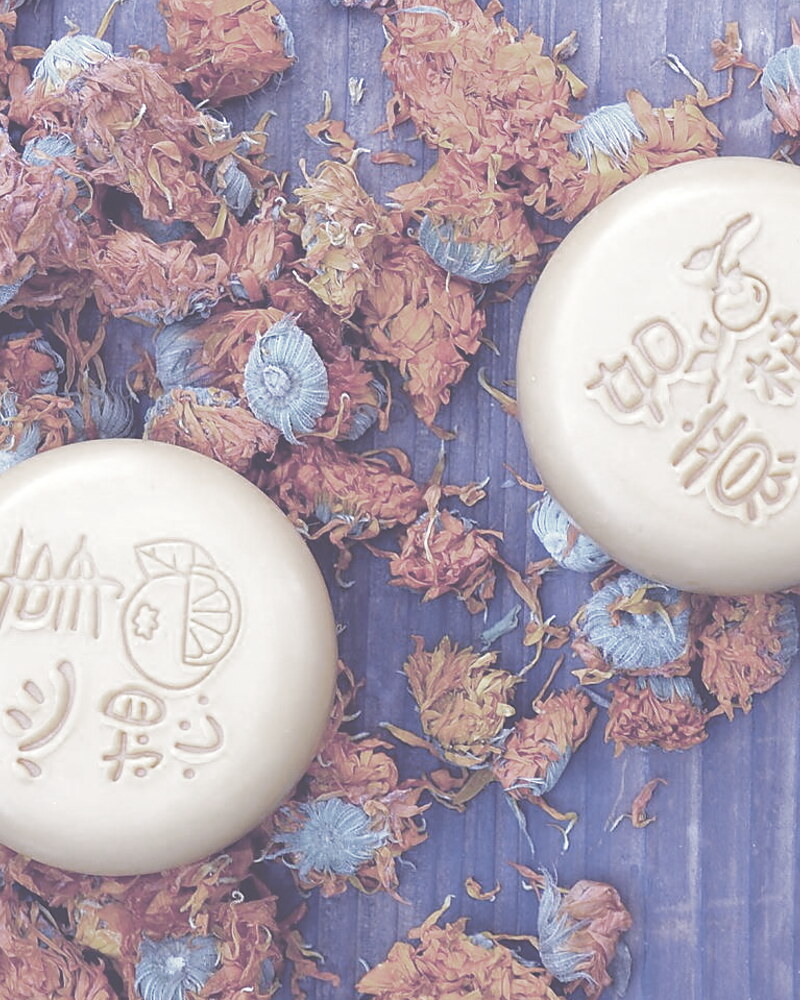
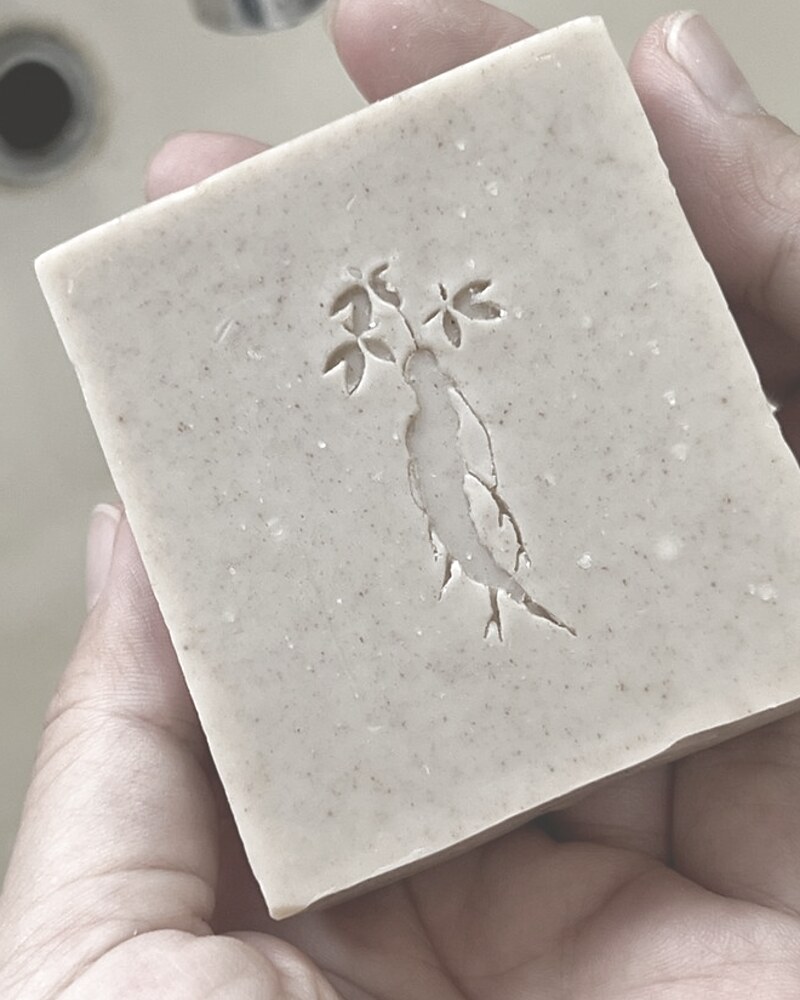
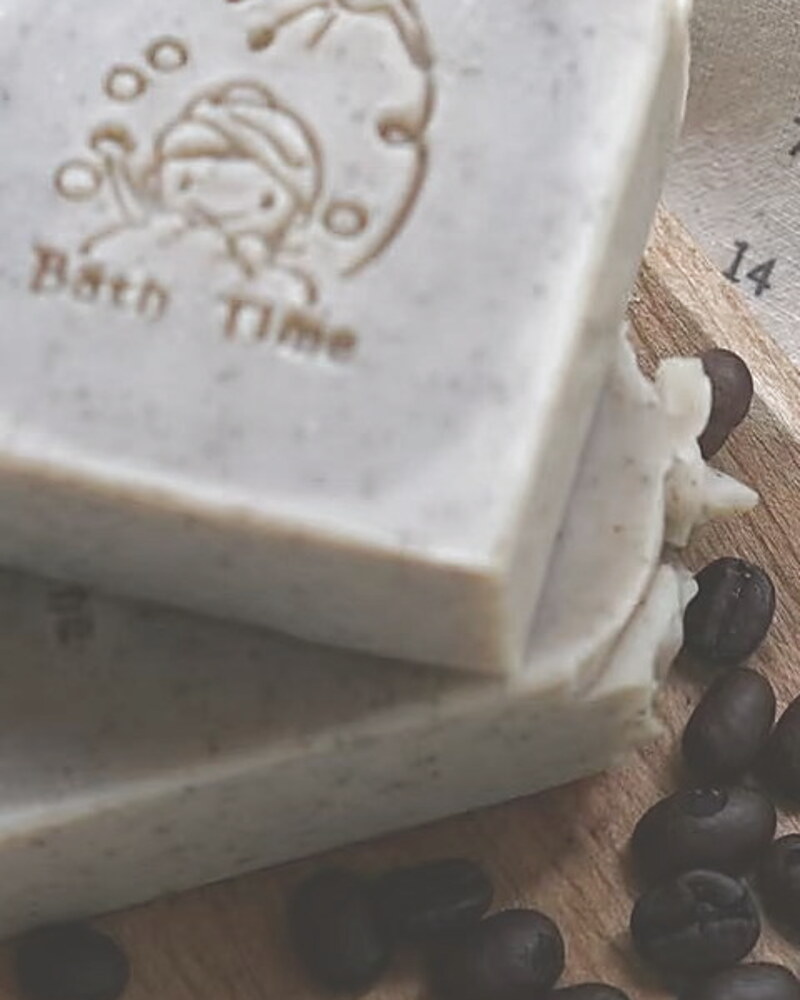
Hand emboss adds tactile differentiation in gift and hospitality assortments. Photograph bars dry and well-lit; ZAOLI craft imagery supports catalog localization without staged fake awards. Pair each SKU with its Ingredients entity name for bilingual catalogs.
2. Packing and handling notes
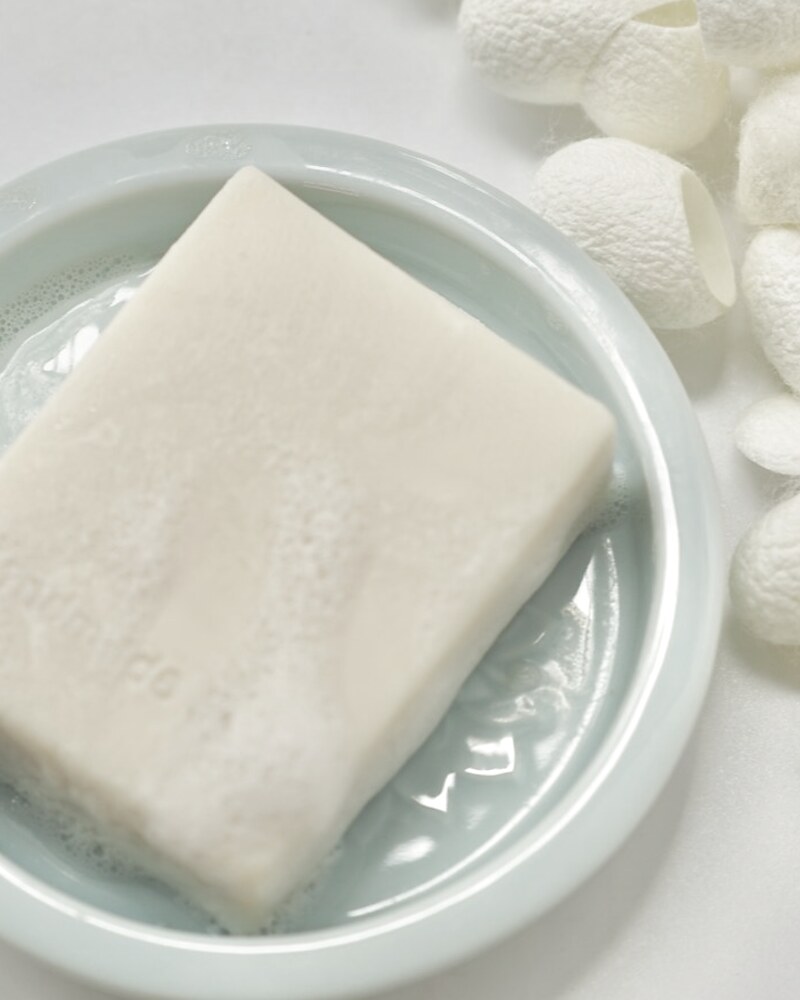
Cured bars prefer dry packing and drained display. Charcoal and berry-toned botanicals may mark light textiles if wet—include care notes for retailers. Milk and creamier bars (Silk Goat Milk) benefit from well-drained dishes. Ask for carton language options in your RFQ.
3. Assortment for first export trials
Balanced sets often mix gentle floral (Calendula), tea-garden (Jasmine Green Tea), clarifying (Bamboo Charcoal or Sophora), cream/comfort (Silk Goat Milk), and woody gift (Sandalwood). Filter Collection by ritual/concern to shortlist, then open Related products on PDPs.
4. Photography and still-life discipline
Use product bar still-lifes for PDP heroes; keep craft pour and ingredient stills for Craft/trust modules. Avoid swapping bars across SKUs or using novelty molds that break botanical storytelling. ZAOLI's site follows that rule for silk-goat, charcoal, sea buckthorn, sophora, and sandalwood heroes.
5. Documents and Incoterms
Requirements vary by market. List what your importer needs in Inquiry notes (same fields as Wholesale/OEM CTAs). We do not invent certificates, prices, or rankings on-site; documents are shared privately when applicable.
6. RFQ vocabulary shared across the site
Footer CTAs, PDP end CTAs, and Inquiry all use Request a quote / Wholesale inquiry with interest and product query params. Quantity range is a band selector—not a published MOQ number.